Is It Just a Heavy Period or Endometriosis? Signs You Shouldn't Ignore
May 11, 2026
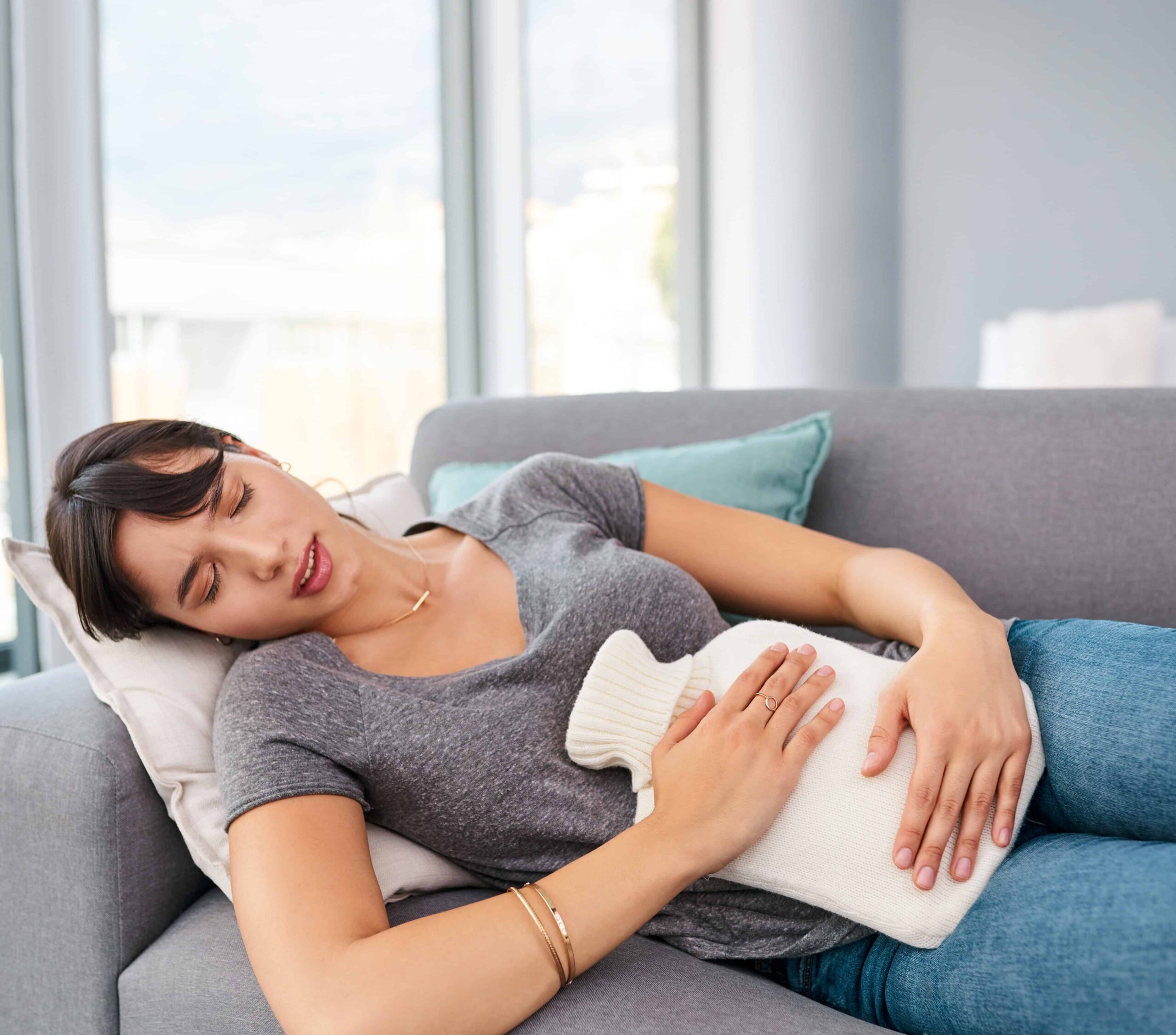
Many women experience heavy periods at some point in their lives. While heavy bleeding can be caused by hormonal changes or conditions like fibroids, sometimes it’s a sign of something more serious—endometriosis. Endometriosis affects nearly 1 in 10 women of reproductive age, yet it often goes undiagnosed for years. Understanding the difference between a heavy period and endometriosis is crucial for protecting your reproductive health.
Heavy periods, medically known as menorrhagia, involve excessive menstrual bleeding that lasts longer than seven days or requires changing pads/tampons every hour. Common causes include:
Symptoms often include:
Endometriosis occurs when tissue similar to the uterine lining grows outside the uterus, causing inflammation, scarring, and pain. Unlike heavy periods, endometriosis is a chronic condition that can affect multiple organs in the pelvic region.
Key facts:
| Symptom | Heavy Periods (Menorrhagia) | Endometriosis |
|---|---|---|
| Bleeding | Prolonged, heavy flow with clots | May include heavy bleeding, but often irregular |
| Pain | Cramping during menstruation | May include heavy bleeding, but often irregular |
| Other Signs | Fatigue, anemia | Painful sex, digestive issues, infertility |
| Impact | Disrupts routine due to blood loss | Chronic pain and emotional stress |
If you experience any of the following, it may be more than just a heavy period:
Endometriosis often takes 6–8 years to diagnose because symptoms overlap with other conditions. Untreated endometriosis can cause:
Early diagnosis allows for effective treatment options such as pain management, hormonal therapy, or surgery, improving both quality of life and reproductive health.
If you suspect your symptoms may be linked to endometriosis, don’t wait. Schedule an appointment with our Endometriosis Specialist today and bring a symptom diary to help guide the conversation.
Heavy periods can be disruptive, but endometriosis is a chronic condition with far-reaching effects. If your symptoms are severe, persistent, or interfere with daily life, visit the most trusted OB Care in Burlington, MA. -BURLINGTON OB-GYN ASSOCIATES. Early recognition and treatment can make a significant difference in your health and fertility.
Our experienced team offers a range of comprehensive checkups and discussions, including:
Schedule your next appointment with Burlington OB-GYN today and feel confident knowing you’re in trusted hands.