Perimenopause in Your 30s & 40s: Understanding the Transition Before Menopause
Jul 29, 2026
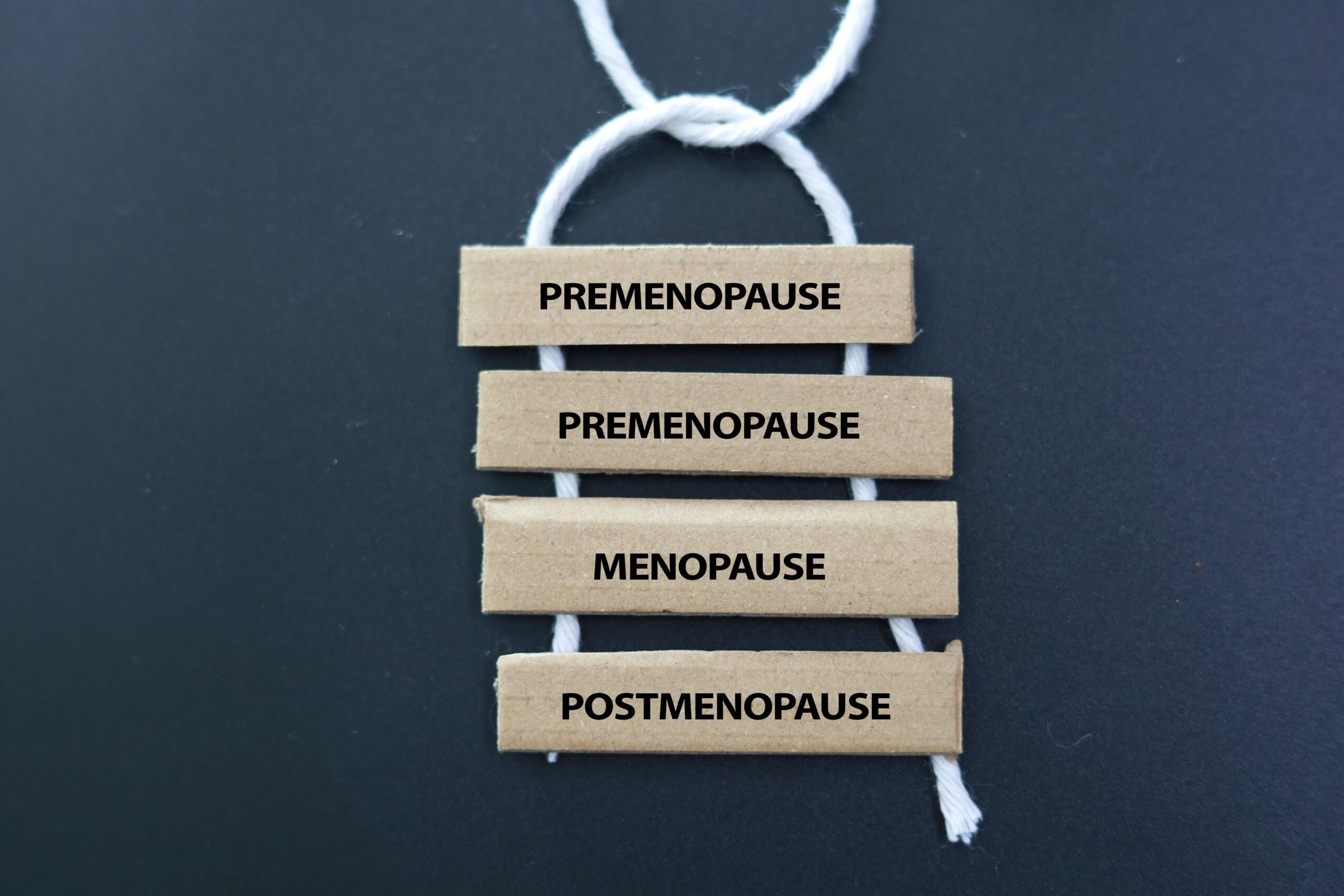
Many women associate menopause with their 50s, but the biological journey toward it often begins much earlier. If you’ve noticed menstrual irregularities, sudden mood swings, sleep disruptions, unexplained weight shifts, or increased fatigue in your 30s or 40s, you may be experiencing the early stages of perimenopause.
Although it is a completely natural life stage, perimenopause is frequently misunderstood. Recognizing the early signs of perimenopause and understanding how a hormonal imbalance affects your body allows you to take control of your well-being with proactive, personalized medical care.
Perimenopause is the transitional phase leading up to menopause. During this time, the ovaries gradually produce less estrogen and progesterone. These fluctuating hormone levels can trigger a wide variety of physical and emotional changes.
Key Distinction: Unlike menopause—which is officially diagnosed only after 12 consecutive months without a period—perimenopause can last anywhere from 2 to 10 years. Most women begin noticing changes in their 40s, but it is entirely normal for perimenopause in your 30s & 40s to start as early as your mid-to-late 30s.
The symptoms of perimenopause vary significantly from woman to woman. While some experience mild shifts, others find that fluctuating hormones disrupt their work, sleep, and personal lives.
One of the most common early signs of perimenopause is a distinct change in your monthly cycle. Periods may become:
Hormonal fluctuations directly influence brain chemistry. It is common to experience:
Many women report a sudden decline in sleep quality. You might experience difficulty falling asleep, waking frequently during the night, or experiencing nighttime hot flashes (night sweats) that leave you exhausted the next morning.
Sudden surges of body heat, heavy sweating, and skin reddening are classic signs. These can begin during early perimenopause while you are still getting regular or semi-regular periods.
Estrogen plays a key role in supporting cognitive clarity. As levels dip, you may notice:
Changes in metabolism, loss of lean muscle mass, and shifts in estrogen distribution often lead to weight gain—particularly around the midsection—even if your diet and exercise habits haven’t changed.
Decreasing estrogen can lead to reduced sexual desire, as well as vaginal dryness or discomfort during intimacy, impacting your confidence and quality of life.
Estrogen is a vital hormone that supports systems far beyond your reproductive organs. When levels fluctuate unpredictably, it can affect:
Navigating these internal shifts while balancing family, career, and personal commitments can feel overwhelming. Having a trusted healthcare team by your side ensures you don’t have to guess what your body is going through.
While perimenopause is a natural biological process, targeted lifestyle habits can dramatically reduce symptom severity:
While lifestyle adjustments help, medical evaluation is often essential for effective relief. You should schedule an appointment if:
A dedicated women’s health specialist can evaluate your symptoms, order targeted hormone and blood tests to rule out thyroid issues, and recommend personalized solutions—ranging from non-hormonal prescription options to Bioidentical Hormone Replacement Therapy (BHRT).
At Burlington OBGYN Associates, we recognize that perimenopause is a significant physical and emotional transition. You shouldn’t have to push through severe discomfort or wonder if your symptoms are “just in your head.”
Our board-certified providers offer comprehensive evaluations tailored to your unique health profile, including:
We are committed to delivering personal, evidence-based care that empowers you to feel vibrant and supported at every age.
Don’t wait for symptoms to disrupt your life. Bring a simple symptom diary to your visit to help us tailor your treatment plan.
Book Your Perimenopause Consultation Online with the trusted team at Burlington OBGYN Associates today, or contact our Burlington, MA office directly to schedule your evaluation.