Pelvic Floor Health: Signs of Dysfunction and When to See Your OB-GYN
Aug 25, 2026
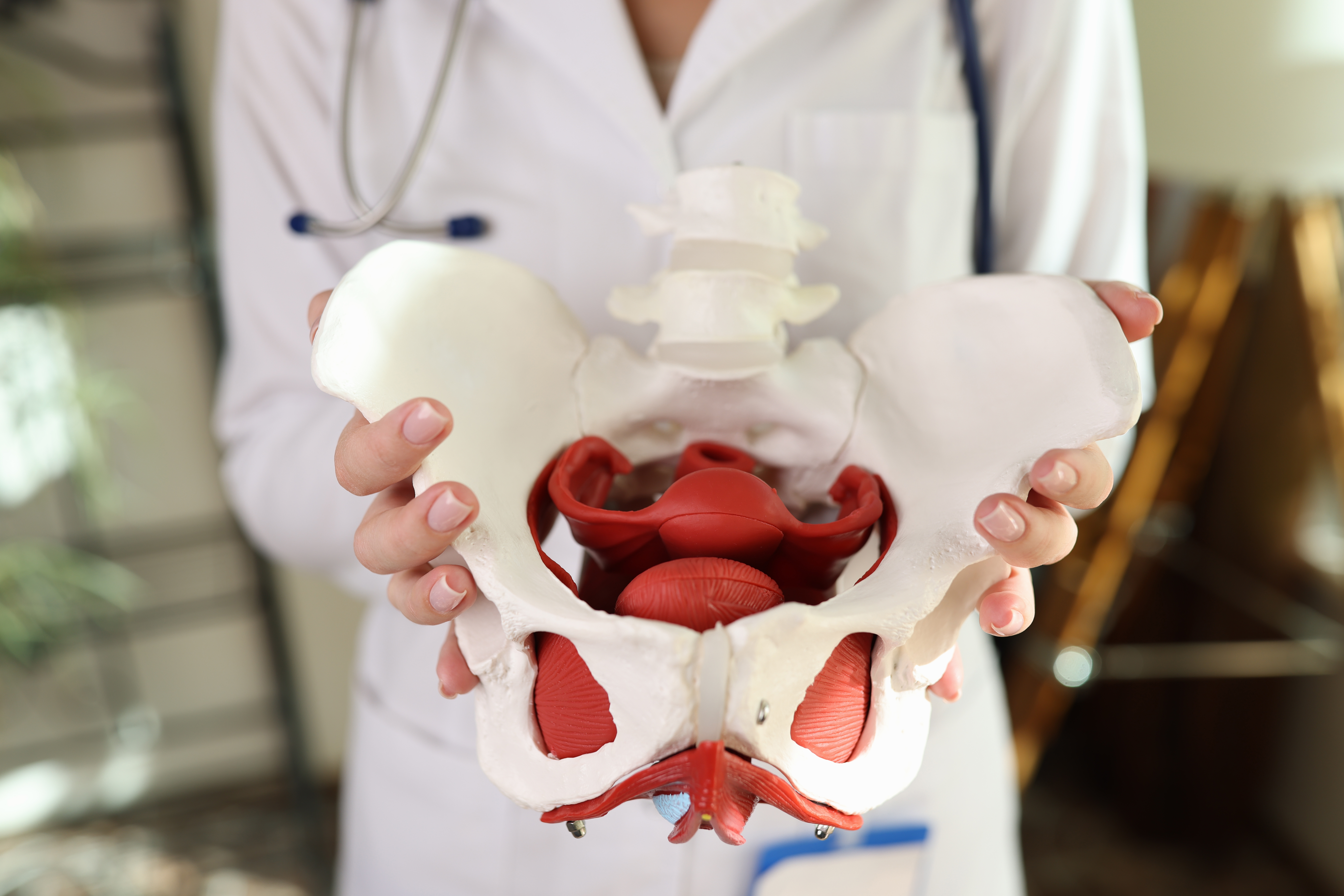
When we talk about core stability, we often focus on the abdominal muscles and lower back. However, one of the most critical foundations of your core is the pelvic floor—a supportive, bowl-shaped sling of muscles and connective tissues extending from your pubic bone to your tailbone.
This muscle network supports essential organs, including the bladder, uterus, and bowel, while maintaining continence and pelvic stability.
Because pelvic health concerns are rarely discussed openly, many women believe that symptoms like accidental bladder leakage, pelvic heaviness, or discomfort during intercourse are unavoidable consequences of childbirth or aging. While these issues are common, they are not something you have to live with.
Pelvic floor dysfunction occurs when the muscles supporting your pelvic organs are unable to contract and relax correctly. This condition generally falls into two categories:
A persistent feeling of fullness, aching in the lower pelvis, or the sensation of “sitting on a small ball” can indicate pelvic organ prolapse (POP), where the bladder, uterus, or rectum descends slightly into the vaginal canal.
Discomfort or sharp pain during intimacy frequently stems from hypertonic (overly tight) pelvic floor muscles that cannot adequately lengthen and relax.
The pelvic floor functions collaboratively with your hips, glutes, and lumbar spine. Muscle tension or instability in the pelvis often manifests as persistent lower back ache or sacroiliac (SI) joint pain.
Straining to start urination, feeling like your bladder never completely empties, or recurring constipation can be linked to uncoordinated pelvic muscles.
Pelvic floor disorders respond well to non-invasive, conservative therapies when addressed early. Modern management options include:
If you are experiencing bladder control changes, unexplained pelvic discomfort, or symptoms of prolapse, our clinical team is here to help. Contact Burlington OBGYN Associates at 781-272-4667 or book an appointment online.